Electrical safety: essential checks for every work environment

Electrical safety failures often start with ordinary work rather than dramatic technical errors. A damaged cord, an open panel, a rushed isolation, a temporary connection, or a contractor working beyond the planned boundary can turn routine activity into shock, fire, arc, or equipment damage risk. Because electricity is invisible, weak conditions are often underestimated until the moment control is lost.
That is why a good electrical safety program depends on disciplined checks before, during, and after work. The goal is not to turn every task into specialist activity. The goal is to make sure people know what they are allowed to touch, what must be isolated, what signs of deterioration matter, and when the condition requires a competent electrician or a higher level of control.
Why everyday failures are rarely random
Electrical incidents usually reveal a chain rather than a single mistake. One barrier may have been weakened by poor maintenance, another by unclear responsibility, and another by pressure to keep work moving without waiting for the right permit or isolation. When those barriers align, a small shortcut can suddenly have much larger consequences than the worker expected.
This is one reason routine familiarity is dangerous. People stop noticing plug damage, improvised routing, overloaded outlets, blocked access to panels, or temporary power that has become semi-permanent. The condition blends into the background because nothing bad has happened yet. Electrical safety needs a review habit strong enough to keep those signals visible.
The same chain often crosses role boundaries. Operators, cleaners, maintenance staff, contractors, and supervisors may all influence the condition without any one of them seeing the full picture alone. That makes ownership and communication especially important around energized equipment and temporary changes.
Pre-job checks for panels, cords, tools, and temporary power
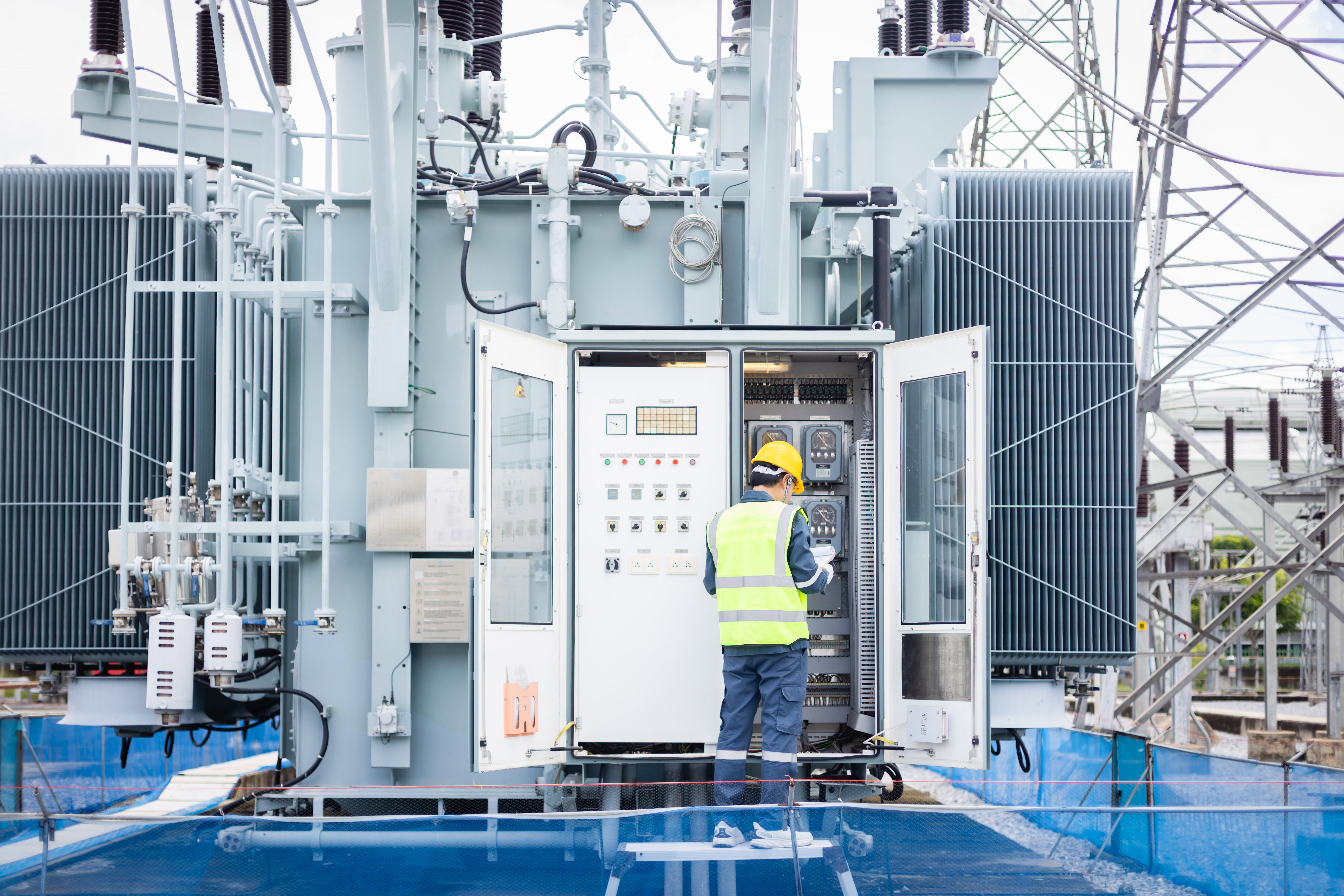
Before work begins, look at physical condition first. Damaged insulation, missing covers, improvised joints, blocked panels, exposed conductors, loose sockets, and signs of overheating are all reasons to stop and reassess the job. These checks are simple, but they only work when people feel responsible for raising the issue instead of working around it.
Portable tools and extension leads deserve extra attention because they move between areas and users. A cable that is acceptable in one location may be unsafe in another because of traffic, sharp edges, moisture, or contact with heat. Temporary power should therefore be treated as controlled work, not as a casual convenience.
The pre-job review should also confirm whether the task is being performed by the right role. One of the most useful electrical safety checks is asking whether this person should be doing this work at all or whether the task has crossed into specialist territory.
Isolation, access control, and work boundaries
Isolation is not only a technical act. It is a communication act as well. The person doing the work, the supervisor, and anyone else affected should understand what is isolated, how the zero-energy state is confirmed, what remains live, and what conditions must be met before re-energization. Weak explanations create false confidence very quickly.
Access control matters because electrical work often takes place in areas where other people continue moving nearby. If the boundary is vague, a cleaner, operator, or visitor may enter without understanding what has changed. Clear barriers, warnings, and role control are therefore part of the electrical safety system, not decorative extras.
Re-energization needs the same discipline as shutdown. Tools, guards, covers, people, and temporary controls all need to be accounted for before power is restored. Many serious near misses happen in the final moments because everyone is focused on finishing rather than on verifying the restart conditions properly.
Contractors, support staff, and non-electricians
Not everyone who works near electrical equipment is qualified to work on it, yet many incidents involve people who interact with the area indirectly. Cleaners may move equipment, operators may reset a trip, contractors may assume one panel is isolated when only another was included, and supervisors may authorize work without recognizing how the boundary changed.
The control system should therefore explain what non-electricians may do, what they must never do, and how they escalate a concern. Ambiguous limits create the conditions for well-intentioned overreach. Clear limits prevent it.
Contractors require the same clarity plus site-specific briefing. They may be technically capable, but still unfamiliar with local labeling, access routes, emergency contacts, and permit rules. If those expectations are not aligned before work begins, the site is counting on luck more than control.
Build electrical safety into ordinary routines
The strongest programs tie electrical checks into inspections, work planning, shutdown review, contractor entry, housekeeping, and maintenance reporting. That keeps the topic visible between larger projects and prevents small defects from staying in service until they become urgent failures.
It also helps to treat repeated minor issues as system signals. A recurring damaged plug, overloaded outlet, or blocked panel often says something about layout, tool management, storage, or production pressure. The visible defect is only the surface of the problem.
When organizations want a stronger practical system, Safety On can help align electrical safety checks, boundaries, ownership, and field verification so normal work stays within clear limits before exposure turns serious.

How to spot drift before a near miss forces the lesson
Electrical drift usually appears in small compromises: a panel used as storage space, a temporary lead routed through traffic, one missing cover left until the next shutdown, or one repetitive trip reset without asking why it happened. Each compromise may look manageable alone, but together they show that the control system is becoming too tolerant of weak conditions.
Supervisors and maintenance leaders should therefore watch for repeated low-level signals rather than waiting for a major event. Frequent minor defects, repeated access problems, and recurring improvisation around connections or isolation points often reveal the same underlying weakness from several angles.
Early correction is usually cheaper than late correction. Once poor practices become familiar, they spread faster and become harder to challenge because people now view them as the normal way to keep work moving.
Response speed matters too. If reported electrical defects stay open too long because they are viewed as minor, the organization teaches the workforce that weak conditions are acceptable as long as power is still available.
That message is dangerous because it lowers the reporting threshold for future problems. People begin to assume that if the defect was tolerated yesterday, it can be tolerated again today.
Closing those defects quickly has another benefit: it proves that reporting leads to action, which makes workers far more likely to raise the next weak condition before it becomes a near miss.
FAQ
Who should perform electrical checks?
Basic visual checks can be part of ordinary work, but tasks involving diagnosis, repair, or direct work on energized systems should stay with competent authorized personnel. The site should define that boundary clearly before the job begins.
How often should electrical safety conditions be reviewed?
High-use areas and temporary setups need frequent attention, while broader review should follow the site's inspection and maintenance program. Damage, change, and repeated minor defects are all reasons to review sooner. Small recurring issues should never be left to age in place.
