Emergency preparedness plan: 7 key elements and a practical template

An emergency preparedness plan is only useful when people can follow it under noise, time pressure, and incomplete information. That sounds obvious, yet many sites still rely on a document that looks polished during an audit but fails the moment a shift supervisor needs to coordinate evacuation, shut down equipment, and account for contractors at the same time.
A strong plan translates risk into action. It tells teams what kinds of events matter at this site, who makes the first call, where workers go, how communication flows, and what must happen in the first minutes before outside responders fully take over. The difference between a generic file and a working plan is not formatting. It is operational clarity.
Teams also need to remember that emergencies rarely respect reporting lines. A leak may start on one shift and escalate during another, or a fire alarm may involve visitors, security staff, and neighboring tenants within minutes. The plan has to work across those handoffs without forcing people to invent the next step.
Why site emergency planning has to be specific
The same template cannot serve a laboratory, a warehouse, and a multi-floor office without major edits. Each site has a different mix of ignition sources, chemicals, confined areas, visitors, contractors, language needs, and evacuation constraints. If the document does not reflect that physical reality, workers will spend critical seconds translating vague instructions into decisions that should already have been made.
Site specificity also matters for command structure. A daytime manager may be present on one shift, while an evening supervisor covers a larger area with fewer people. The plan has to name who can stop work, who calls emergency services, who checks assembly points, and who secures hazardous processes. Without those details, responsibility turns into a group discussion in the middle of an event.
That is why an emergency preparedness plan should be tested against the worst realistic conditions for the site, not the easiest ones. Ask what happens if the alarm sounds during a contractor job, if a key person is absent, if one exit is blocked, or if the event starts near the assembly route. Those questions expose whether the plan can survive real operations.
One effective test is to walk the route physically with the document in hand. If the map, shutdown points, or assembly logic feel confusing during a calm review, they will fail even faster under smoke, noise, darkness, or crowding.
The 7 key elements every emergency preparedness plan should include
Most plans improve immediately once they are reduced to seven practical building blocks. Each block answers a specific question for the people who must act first. If any one of them is weak, the rest of the file becomes harder to use when pressure rises.
- A risk summary that names the likely emergency scenarios for the site.
- A clear activation rule that explains who can start the response.
- Roles and backups for command, evacuation, first aid, and shutdown actions.
- Evacuation routes, assembly points, and accounting methods for every shift.
- Communication steps for workers, visitors, contractors, and external responders.
- Process controls for isolation, spill containment, or utility shutdown where relevant.
- A drill and review cycle that keeps the document current after changes.
The value of these elements is that they prevent the plan from becoming a loose collection of good intentions. Instead of describing emergency management in broad language, the document tells each team what they own and what information they must pass forward. That structure also makes later revisions easier because changes can be mapped to a defined section rather than buried in narrative text.
Sites should pair each element with a named owner and an update trigger. Otherwise the file ages unevenly, with current maps but outdated contacts, or clear evacuation rules but no recent drill evidence to support them.
How to turn the plan into a template people can actually fill
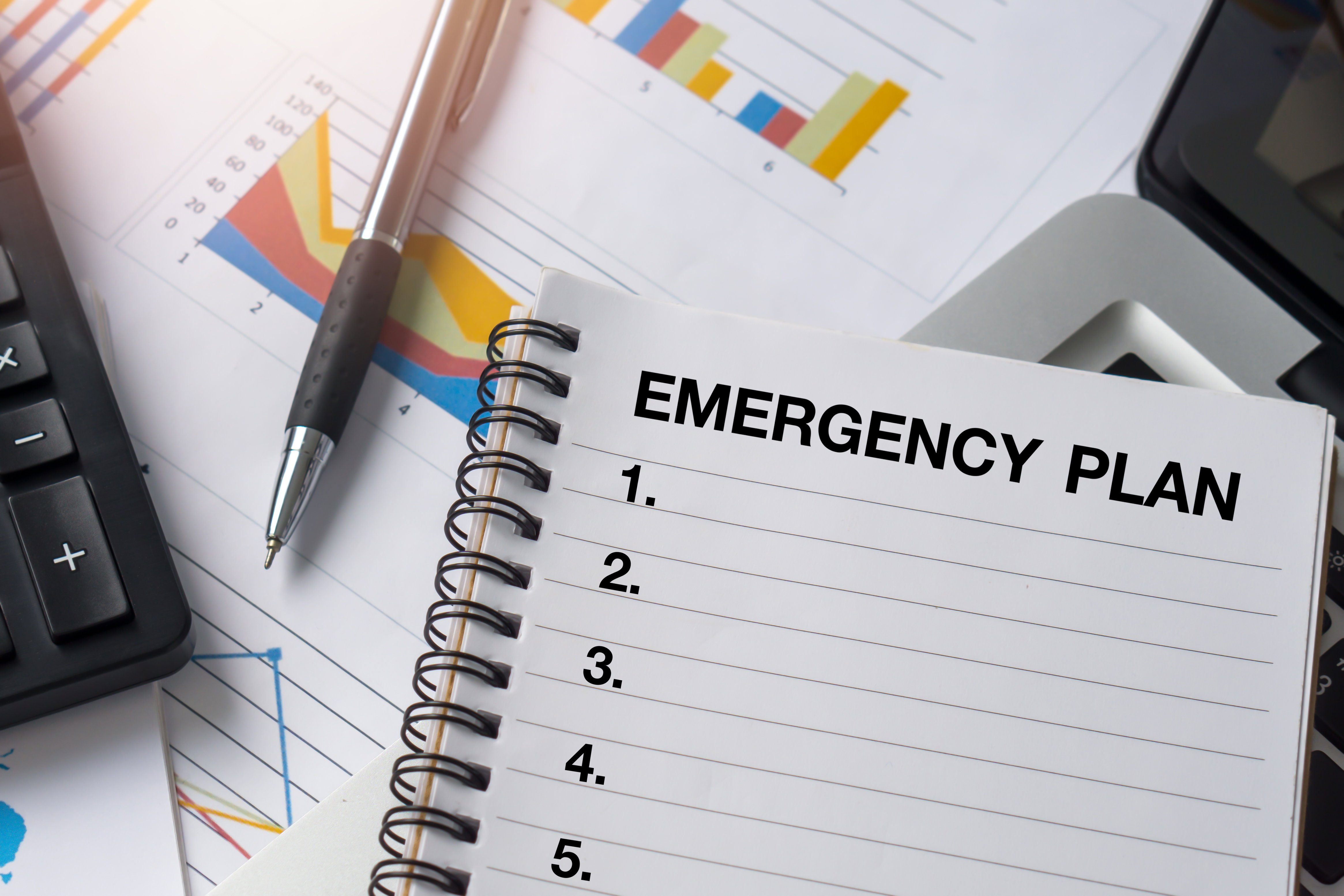
A useful template should be short enough to update and structured enough to prevent omissions. Start with basic site data, shift coverage, contacts, and a list of priority emergency scenarios. Then create simple fill-in blocks for alarm activation, internal notification, evacuation control, medical response, utility isolation, and post-event reporting. When the sections mirror the response flow, managers can complete the form faster and review it more critically.
The template should also force the site to record details that are easy to forget, such as disabled worker support, visitor control, muster verification, after-hours access, and who holds keys or system passwords during an outage. These are not minor details. They are the small decisions that slow response when no one has written them down in advance.
An emergency preparedness plan template works best when it separates permanent site information from event-specific instructions. Contacts, maps, and shutdown points may stay stable for months, while contractor lists, occupancy patterns, or temporary blocked routes can change weekly. Keeping those layers distinct helps teams update the right part without rewriting the entire document every time operations shift.
Good templates also leave room for sketches, photographs of isolation points, and short plain-language notes for visitors or temporary workers. Those small aids reduce the burden on memory when stress narrows attention and the usual supervisor is not standing nearby.
Drills, revisions, and contractor alignment after the document is approved
Approval should trigger practice, not archive storage. Tabletop sessions help leaders check decision flow, while physical drills test travel time, noise levels, assembly discipline, and whether the site can account for everyone quickly. Both matter because a plan may look coherent on paper and still fail once workers try to move through doors, stairs, gates, or shared yards at the same time.
Revisions should follow any meaningful change in staffing, layout, process risk, emergency equipment, or neighboring activity. This is especially important when contractors are present. A contractor who does not know the signal, assembly point, or authority chain becomes an exposure multiplier during an incident. The site should therefore fold contractor onboarding and permit-to-work briefings into the response plan instead of treating them as separate paperwork streams.
The organizations that get real value from an emergency preparedness plan are the ones that treat it like an operating control. They rehearse it, correct it after near misses, and check whether supervisors can still explain it without reading from a file. That is the threshold where the plan starts protecting people instead of merely satisfying a documentation requirement.
Debriefs after drills should capture more than timing. They should record bottlenecks, unclear instructions, blocked routes, weak communications, and any role that no one actually performed. Those details are what make the next version of the emergency preparedness plan stronger instead of simply newer.
FAQ
How often should an emergency preparedness plan be reviewed?
At minimum, review it whenever a major process, layout, staffing pattern, or emergency risk changes. A scheduled annual review is useful, but changes on the ground should always trigger an earlier update. Sites should also review it after drills, contractor changes, or route changes.
What is the most common weakness in a site response plan?
The most common weakness is vague ownership. When the document does not clearly state who activates the response, who manages evacuation, and who communicates with responders, delays grow immediately.
