Factory safety: rules, risks, and best practices for operations
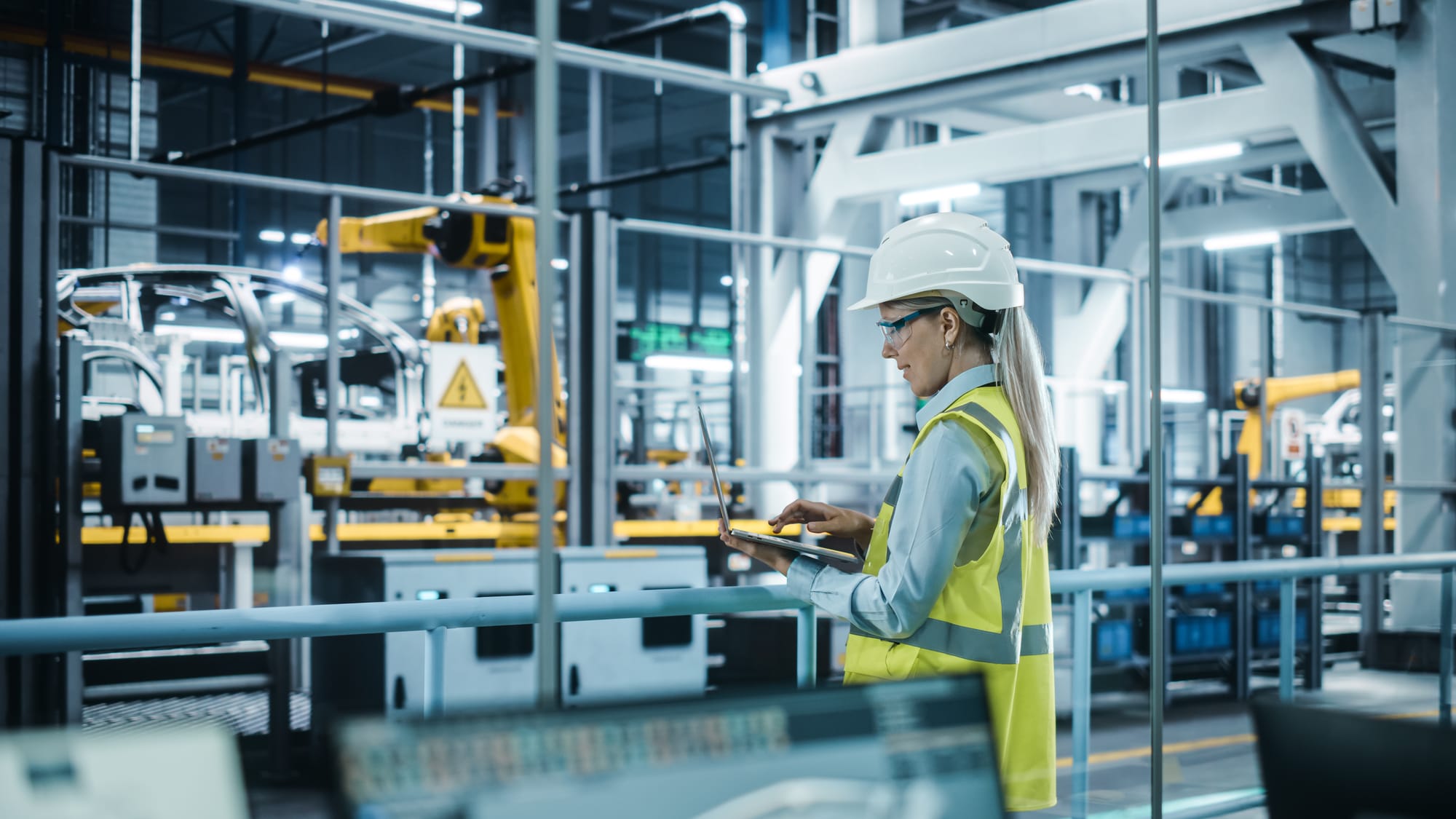
Factory safety is built in the ordinary moments between production targets, maintenance pressure, material movement, and operator judgment. A plant can look organized on a visitor tour and still carry daily exposure through traffic conflicts, bypassed guards, poor housekeeping, weak contractor control, or rushed restart after service.
What makes factories demanding is the number of risk systems running at once. Vehicles move near pedestrians, machinery stores energy, chemicals support the process, and multiple departments compete for the same space and time. The most effective sites do not try to control all of that with slogans. They create clear operating rules that fit how the plant actually works.
The pressure points also change by hour. A safe morning route can become a cramped afternoon path once finished goods build up, waste bins fill, or maintenance isolates one corridor. Plants that ignore those shifts often assume yesterday's controls still match today's floor.
Where factory safety usually breaks first
The first cracks often appear at interfaces rather than inside one machine. Material handlers share aisles with operators. Maintenance opens equipment while production still expects output. Contractors enter an area without full knowledge of process hazards. Temporary storage spills into escape routes because the warehouse is full. None of these issues belong to one department only, which is why they can persist for months.
The second weak point is normalization. If a guard is tied open for cleaning every week, if a manual lift is accepted because the hoist is inconvenient, or if operators routinely step into a vehicle route to keep flow moving, the plant has already created its own unofficial operating system. That system will always beat the written one unless leaders confront it directly.
Interfaces become even more fragile when no one owns them. If logistics, maintenance, and operations each assume the others will control the overlap, hazards sit in the gap between teams and stay unresolved until someone is hurt or production is interrupted.
Traffic management, layout, and separation on the shop floor
A major share of plant safety depends on how people and equipment move. Routes should separate pedestrians and powered vehicles wherever possible, with marked crossings, protected walkways, and visibility controls at blind corners. Layout is not a cosmetic question. It determines whether safe behavior is convenient or whether workers have to fight the building to stay out of harm's way.
Temporary changes deserve the same attention as permanent ones. Extra pallets, maintenance barriers, scrap bins, or project materials can erase the route logic that the plant relies on every day. Good supervision checks these changes early because traffic risk grows quickly when people start inventing shortcuts around obstructions.
Factory safety improves when movement rules are visible, enforced, and designed into the floor plan. Painted lines help, but the real control comes from spacing, one-way logic, barrier placement, speed discipline, and whether supervisors challenge unsafe crossing behavior every time it appears.

Machine guarding, isolation, and maintenance discipline
Guarding issues are rarely technical mysteries. Most of them come from access demands that were never solved properly. Operators need visibility, cleaning access, or faster changeovers, so the plant starts tolerating open covers, defeated interlocks, or partial barriers. Once that happens, maintenance inherits a system that already expects people to work close to moving danger points.
Isolation discipline matters just as much. Stored energy, unexpected restart, hydraulic movement, and pneumatic release can all injure experienced teams when shutdown steps are improvised. Every plant should define who applies locks, who verifies zero energy, how multiple workers coordinate, and what proof is required before restart. If the answers change by shift, the control is already weak.
Planned maintenance windows help because they remove the false urgency that drives risky shortcuts. When service work is squeezed between production demands, even good technicians start making tradeoffs on access, time, and verification. A disciplined plant protects maintenance time because it understands that reliability and safety fail together, not separately.
Contractors, temporary work, and restart control
Contractors often perform the plant's most unusual tasks: shutdown cleaning, electrical work, mechanical replacement, lifting operations, or process modifications. These jobs may sit outside normal routines, which is exactly why they need stronger coordination. The host site should define area hazards, permit steps, supervision, isolation expectations, and handback conditions before work begins.
Restart is one of the most exposed moments after temporary work. Guards may still be open, tools may remain inside enclosures, lines may be disconnected, and operators may assume the system is ready because maintenance has left the area. A formal restart check protects against that dangerous gap between technical completion and safe operation.
Temporary work should also include a final area release with operations present. That check confirms guarding, utilities, cleanliness, documentation, and restart permissions together, rather than allowing each group to assume someone else completed the last safety step.
Housekeeping, inspection rhythm, and visible standards
Housekeeping is often discussed as neatness, but in factories it is really about access, slip prevention, fire load control, visibility, and whether emergency actions remain possible under pressure. A blocked extinguisher, hidden panel, oily floor, or unstable stack of product turns a minor abnormal event into a more complex response.
Inspection rhythm matters because risk builds gradually. Short frequent walkthroughs catch route obstruction, guard damage, leaking lines, missing signs, and poor storage before people stop noticing them. The point is not to create more paperwork. The point is to keep the plant's standard visible enough that deviation feels unusual rather than normal.
Visible standards help new workers learn the plant faster. Marked storage, signed inspection points, clean emergency access, and obvious defect reporting routes reduce the amount of tribal knowledge the site expects people to absorb by watching others.

How to keep plant safety improving under production pressure
Improvement depends on whether leaders can keep standards alive when output demand rises. That means resolving repeat findings, protecting corrective maintenance time, listening to operator feedback, and reviewing near misses for the conditions that made them possible. Plants do not become safer through occasional campaigns. They become safer when management keeps the same operating line during busy weeks that it promises during calm ones.
Strong factory safety also depends on cross-functional honesty. Production, maintenance, engineering, logistics, and safety need one shared view of what the plant will and will not tolerate. Safety On can help build that view by reviewing routes, tasks, permits, guarding, and contractor interfaces so the site's written system finally matches the way operations really move.
The review should also check whether repeated fixes are creating new risks elsewhere. A barrier that improves route control, for example, may reduce visibility at a corner unless the layout is adjusted at the same time. That kind of follow-up keeps factory safety improvements from creating fresh blind spots.
FAQ
What is the most overlooked area in factory safety?
Interfaces between people, vehicles, contractors, and temporary work are often the most overlooked. They cross departmental boundaries, which makes them easier to ignore until an event exposes the gap. Shared ownership should be explicit before the shift starts.
Why does factory safety weaken during busy production periods?
Because time pressure encourages shortcuts in guarding, housekeeping, maintenance planning, and route control. If leaders do not protect the standard during peak demand, the plant builds a second unofficial standard.
