Fire prevention: is your plan up to date

A fire prevention plan can look complete on paper long after it stops matching the site. Layouts change, storage shifts, temporary equipment arrives, contractors perform hot work, electrical loads increase, and housekeeping standards drift. Unless the plan changes with those conditions, the organization may still believe it is protected while the real ignition and fuel picture has already moved on.
Good prevention therefore depends on routine review, not one-time writing. Fire risk sits at the meeting point between ignition sources, combustible material, housekeeping, equipment condition, isolation practices, and the way people respond when they notice something abnormal. A current plan makes those factors visible and keeps them connected. An outdated one creates blind confidence.
Why fire prevention plans expire quietly
Plans rarely fail because someone decides to ignore fire risk completely. They fail because normal operational change happens faster than the review cycle. A new storage zone appears, a temporary power arrangement becomes permanent, one contractor activity becomes routine, or one maintenance issue is tolerated longer than expected. Over time the site stops matching the assumptions built into the last plan revision.
This quiet drift is dangerous because it affects several barriers at once. Routes change, extinguishers may be less accessible, ignition sources move closer to combustible material, and responders may not be standing where the plan assumes they are. The paper still looks organized, but the physical control picture is weaker than management realizes.
That is why review should be tied to change events as well as to calendar dates. If the risk profile changes, the prevention plan should change with it.
Control ignition, fuel, and housekeeping together
Fire prevention improves when the site treats ignition and fuel as one conversation. Electrical condition, hot work, friction, heating equipment, and mechanical faults all matter, but they matter differently depending on what is stored nearby, how waste is handled, and whether the housekeeping standard is strong enough to keep combustible buildup from becoming routine.
Housekeeping is often underestimated because it feels basic. Yet poor waste removal, blocked service space, overfilled storage, and material left too close to equipment can turn a minor ignition into a much larger fire. The quality of everyday order is one of the clearest indicators of whether the site is serious about prevention or only about response.
This is also where supervisors matter. They see whether storage limits are respected, whether temporary materials are lingering too long, and whether small ignition hazards are being corrected or normalized.
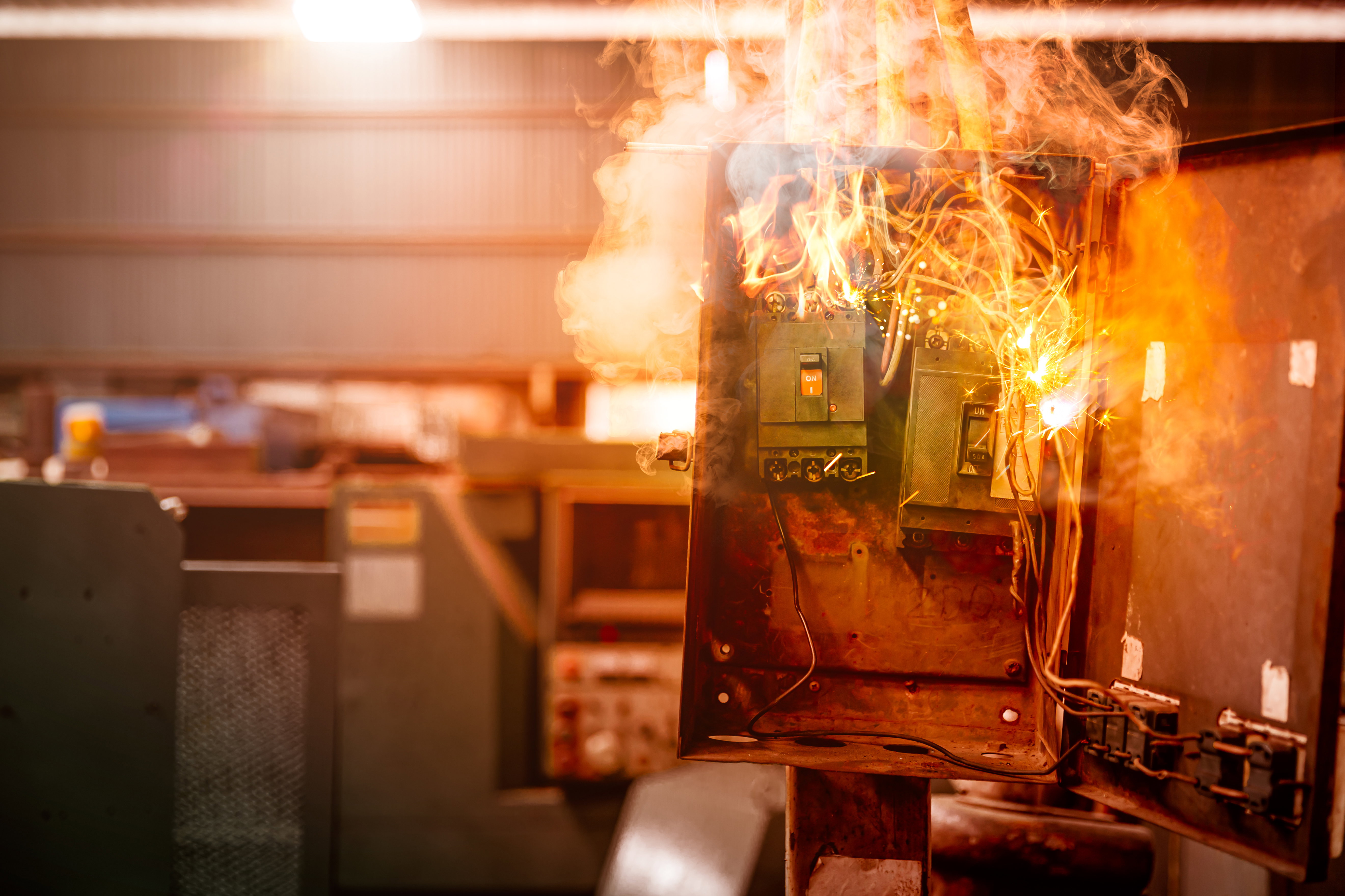
Pay attention to electrical work, hot work, and temporary arrangements
Many fire risks increase during non-routine work. Hot work, temporary heating, maintenance bypasses, charging stations, temporary power, and contractor projects can all change the ignition picture faster than routine inspection cycles can catch. If the prevention plan treats these activities as exceptions without control detail, the site may be exposed exactly when conditions are most unstable.
Permits, fire watch expectations, isolation steps, and post-work checks should therefore be practical and specific. The site should be clear about who authorizes the work, what area checks are required, how combustible material is controlled, and who verifies the area again after the job appears finished.
Temporary arrangements deserve expiration discipline as well. If a temporary setup remains in place too long, people begin to treat it like normal infrastructure even though it was never designed or reviewed for long-term use.
Drills, inspections, and contractor control keep the plan honest
Inspections help reveal whether extinguishers, routes, alarms, storage rules, and housekeeping expectations still match the written plan. They are especially useful when they focus on changed areas and on the small deviations people have started to accept because nothing has happened yet.
Drills test a different part of the system. They show whether people can react, communicate, and move under time pressure using the routes and authority chain the plan assumes. A plan that reads well may still fail once several teams, visitors, and contractors try to act on it at once.
Contractors need special attention because they may introduce hot work, temporary equipment, or storage changes while remaining outside the site's normal communication habits. Fire prevention becomes much stronger when contractor rules are built into the main control model rather than treated as separate paperwork.
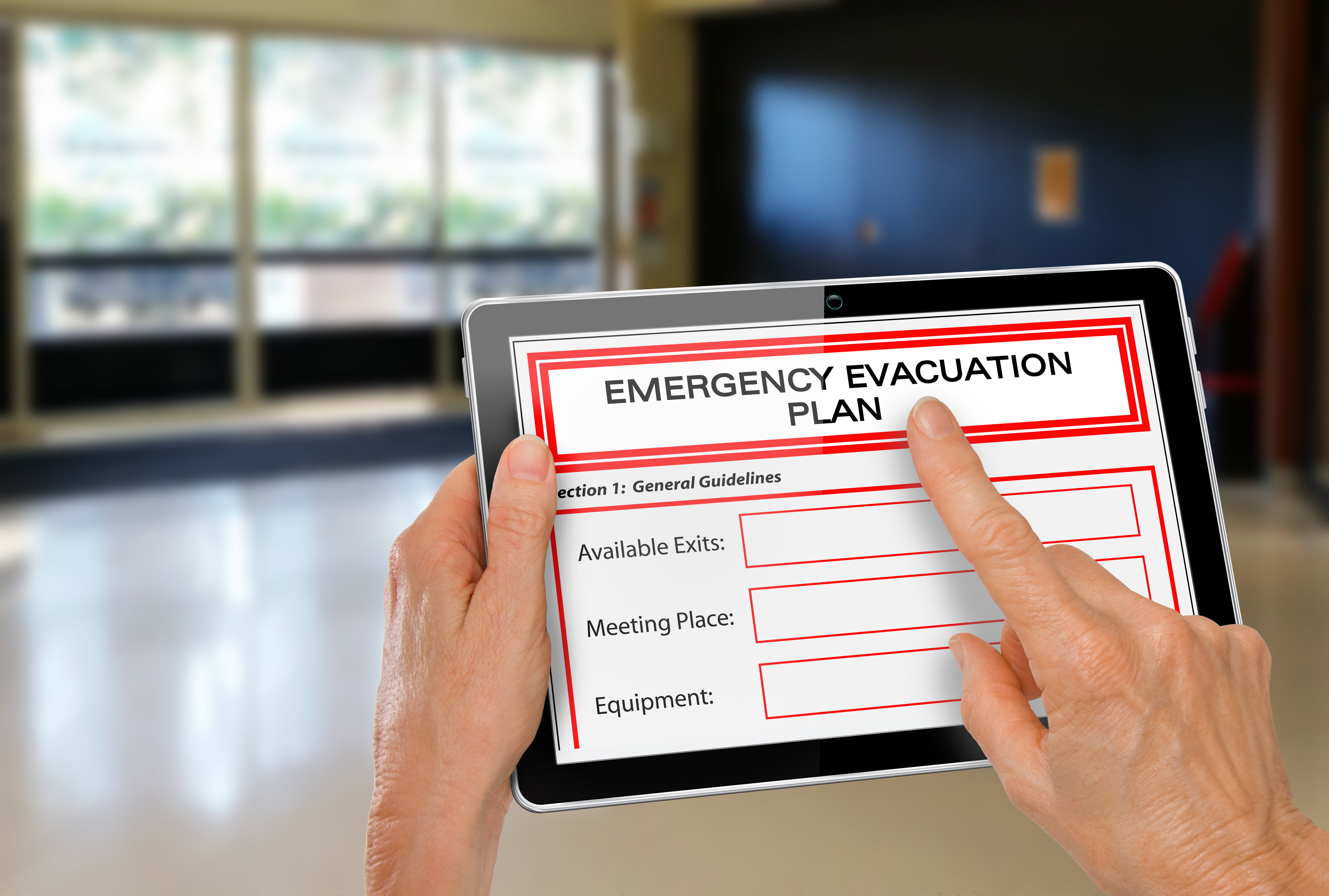
How to test whether the plan is still current
A useful test starts with one question: what changed since the last review? If the answer includes layout, equipment, storage, staffing, contractors, or repeated housekeeping issues, then the plan should be tested directly against those changes rather than assumed to still fit. Walking the area with the current plan in hand is often more revealing than reviewing the document in a meeting room alone.
The second question is whether current leaders and supervisors can explain the plan in practical terms. If they know the document exists but cannot describe how ignition sources are controlled, where material should not be stored, or who owns contractor checks, the plan has probably become too distant from live operations.
When organizations need a sharper review, Safety On can help update fire prevention controls so they match current hazards, contractor activity, housekeeping reality, and the emergency routines people will rely on if an ignition does occur.
One of the most useful reviews is a walk focused only on changed conditions since the last fire-prevention update. Storage drift, charging points, waste handling, contractor work, heating equipment, and temporary electrical arrangements often show quickly whether the old plan still describes the current site honestly.
It also helps to review whether emergency equipment, routes, and responsibilities still match present staffing and layout. A route or extinguisher location that was effective months ago may now be less usable because of material staging or process rearrangement.
Prevention gets stronger when these updates are tied to ownership. Someone should know who checks hot work control, who reviews combustible storage, who verifies housekeeping around ignition sources, and who closes the loop after a fire-related deviation or near miss.
Speed of correction matters too. If blocked extinguishers, weak storage control, or poor hot work discipline remain open for too long, the site is effectively teaching the workforce that fire-prevention weaknesses can wait until there is more time.
That message is expensive because small fire-prevention defects often combine. One weak storage decision and one minor ignition source may each look acceptable alone, but together they can destroy the margin the site thought it still had.
The stronger the correction rhythm, the less chance these small gaps have to align into a real fire event.
That is why a current plan needs not only good content, but also a dependable habit of review and correction around the site.
FAQ
How often should a fire prevention plan be reviewed?
It should be reviewed on a planned cycle and whenever meaningful changes affect layout, storage, ignition sources, or contractor activity. Change-driven review is often more important than the calendar alone.
What is the most common weakness in fire prevention?
A common weakness is mismatch between the written plan and the actual site condition. Storage drift, temporary arrangements, weak housekeeping, and unreviewed hot work can all erode the plan without anyone noticing quickly enough in everyday practice.
