Hazardous substances: top workplace risks and practical controls
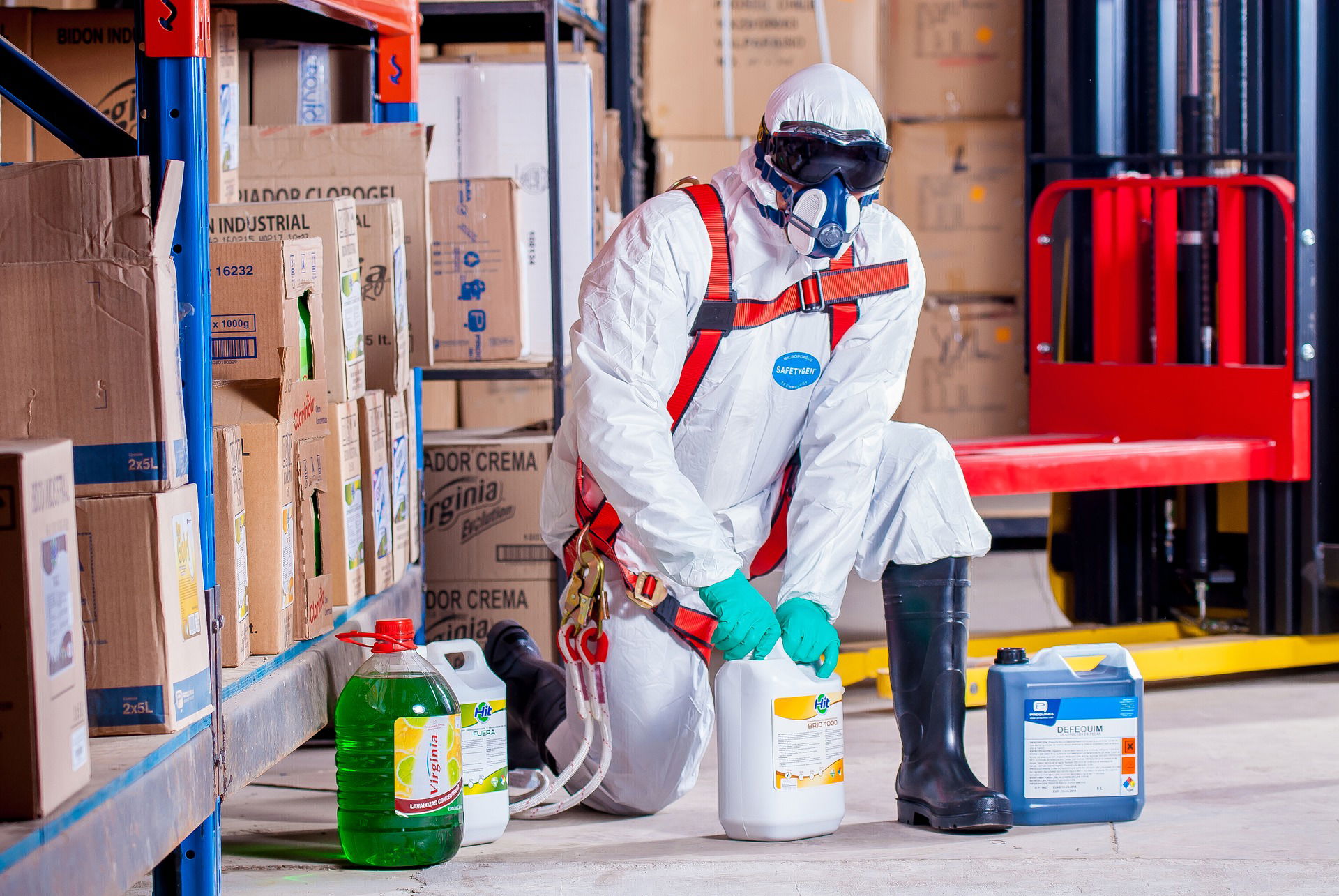
Hazardous substances are present in more workplaces than most managers expect. They do not appear only in chemical production. Cleaning agents, laboratory reagents, welding fumes, fuel additives, paints, adhesives, compressed gases, and treatment chemicals can all create exposure, fire, corrosion, or reactivity problems when the site controls them poorly.
The challenge is rarely awareness at a high level. Most people know a dangerous product can injure workers. The harder part is controlling routine handling, temporary storage, incompatible combinations, and leftover waste so the risk stays low even when deliveries arrive late, maintenance creates new tasks, or a spill interrupts the shift.
The best control systems treat chemical risk as a living process. They expect inventory drift, damaged packaging, mislabeled transfer bottles, and contractor products that appear for one shutdown and then disappear from memory unless someone captures them properly.
What counts as hazardous substances in day to day operations
The term covers more than liquids in clearly marked drums. It includes gases under pressure, corrosive cleaning products, powders that create inhalation hazards, substances that damage skin, materials that react dangerously when mixed, and waste streams that remain risky after use. The exact label may vary, but the control logic is the same: understand the hazard, the exposure path, and the conditions that make the situation worse.
Sites often underestimate exposure because they focus only on the main production chemical. Supporting materials such as degreasers, maintenance sprays, batteries, treatment tablets, and contractor products can create the same need for labeling, segregation, ventilation, and emergency response. A realistic inventory should cover everything that enters, is used, and remains on site long enough to affect people or property.
Hazardous substances should therefore be reviewed across departments, not one cabinet at a time. Procurement, operations, housekeeping, maintenance, and waste handling all hold pieces of the picture. Once those pieces are merged, the business can decide which materials need stricter storage, local exhaust, permit review, or substitution.
Eight common categories and where they usually appear
A useful first step is to group materials by the kind of control they demand. This keeps the conversation practical and helps supervisors explain why two products with very different names may still need similar precautions.
- Flammable liquids used for cleaning, thinning, printing, coating, or fuel transfer.
- Corrosive acids and alkalis found in treatment systems, labs, and cleaning work.
- Oxidizers that intensify fire or react badly with organic material.
- Compressed gases stored for laboratories, welding, cooling, or specialty processing.
- Toxic solids and powders that create inhalation or contamination concerns.
- Sensitizers in adhesives, resins, coatings, or curing agents.
- Biocides, pesticides, and treatment chemicals used in water or pest control.
- Hazardous waste and residues left after cleaning, maintenance, or process changeover.
The categories help managers spot gaps quickly. A site that stores cylinders safely may still mishandle waste liquids. A laboratory with strong reagent labeling may still ignore contractor chemicals during shutdown work. The best inventory review asks whether each group has a clear storage rule, access limit, emergency arrangement, and disposal path.
How storage and segregation errors create bigger problems
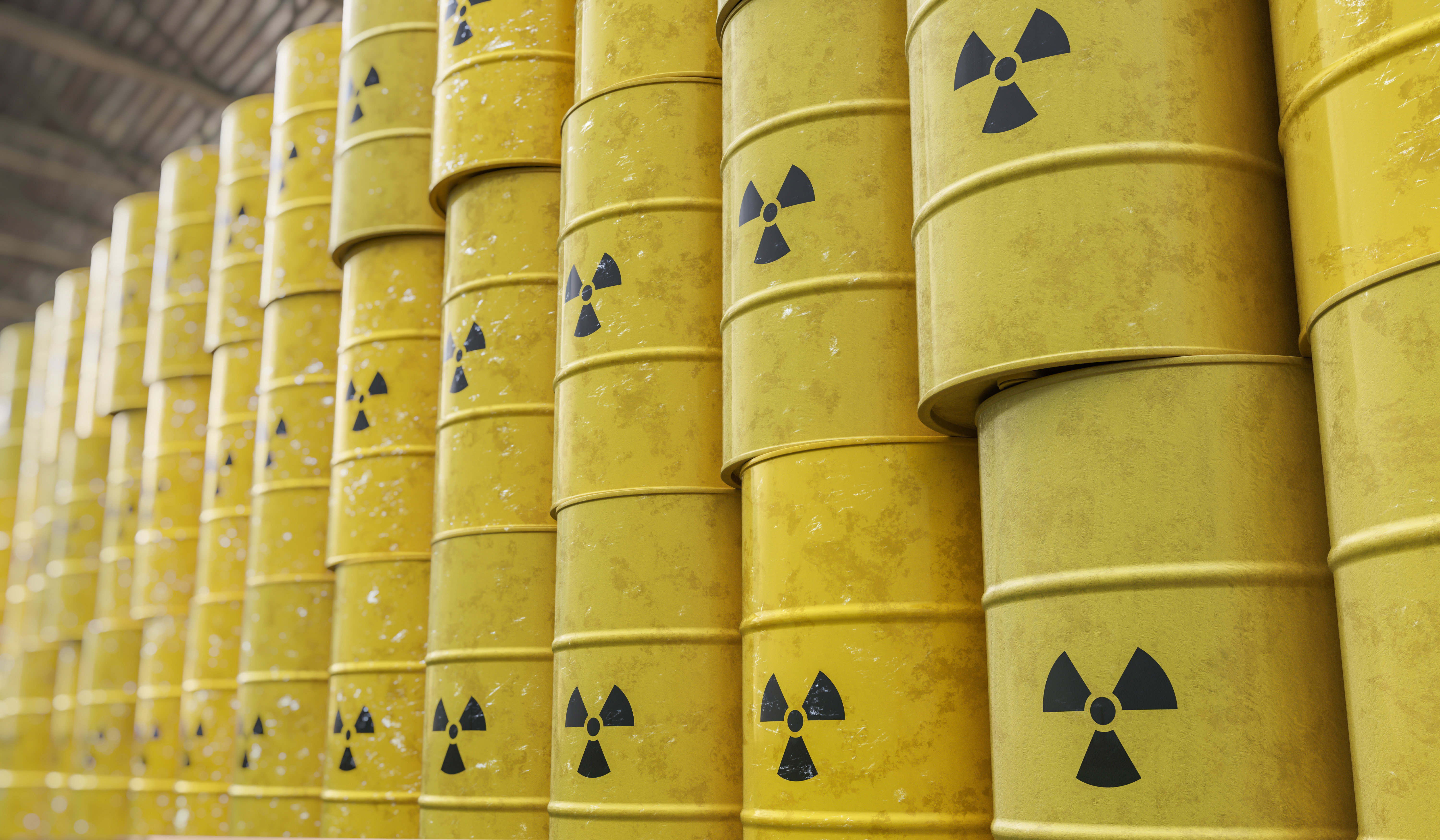
Storage mistakes often look harmless right up to the moment they interact. A corrosive sits below eye level but too close to a combustible supply. A damaged container is left in a general aisle for one shift. Empty drums are stacked with full product because there is no waste zone. Each shortcut feels temporary, yet together they remove the barriers that normally keep a small issue from growing.
Segregation needs to consider chemical compatibility, fire load, ventilation, drainage, traffic routes, and access by unauthorized people. It also needs to consider the moments between tasks, because exposures often happen during transfer, housekeeping, maintenance, or cleanup rather than during normal steady-state use. The control is not only where the product is stored. It is also how the workspace behaves when routine conditions are interrupted.
When these materials are managed well, every storage rule is visible. Shelves are labeled, secondary containment is obvious, incompatible products are separated, and workers know what belongs nowhere near a drain, heat source, or forklift route. That level of order reduces both injury risk and the chaos that follows a minor leak.
Exposure control, labeling, and worker information
Exposure control starts with eliminating or reducing the hazard where possible, then strengthening engineering control, work practice, and personal protection in that order. Good ventilation, closed transfer systems, splash shields, and controlled dispensing usually do more than relying on gloves alone. Personal protective equipment still matters, but it should support the control strategy rather than carry it by itself.
Labeling and safety data sheet access are equally important because they shape real-time decisions. Workers should be able to identify a substance, understand the main hazard, and find first-response steps without searching through a confusing folder structure. Temporary containers deserve the same discipline as original packaging, especially when products are decanted for short tasks.
Hazardous substances become harder to control when the organization assumes training is complete after a classroom session. People need practical instruction on transfer methods, incompatible mixes, contamination routes, spill response, and what to do if a label is missing or unreadable. That is the level where training shifts behavior instead of simply checking a box.
Spill response and continuous review
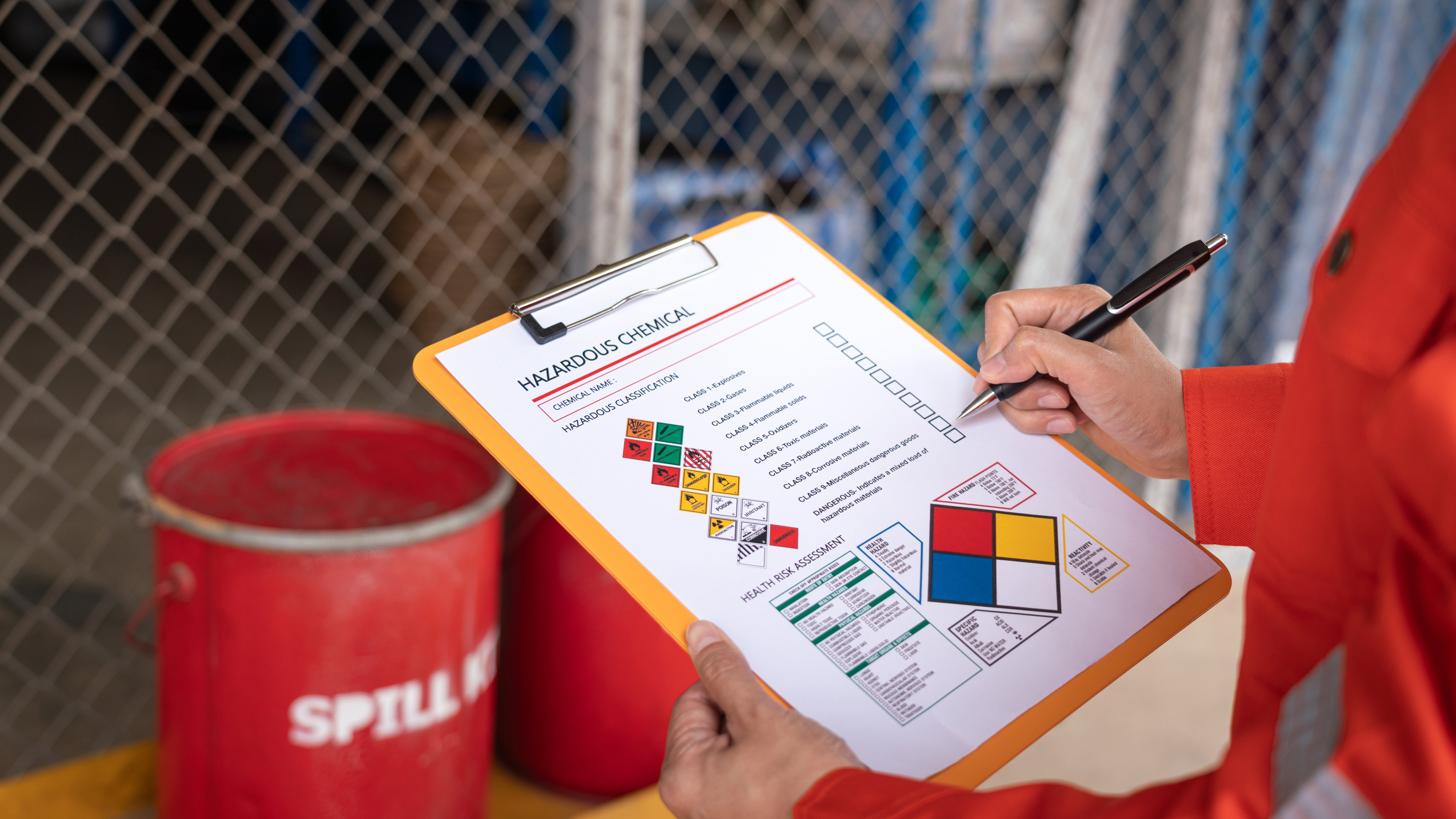
Spill response plans should match the materials actually present. A generic kit and one laminated instruction sheet will not help if the spill involves vapors, incompatible cleanup media, or a route toward drainage. Sites need to decide who can respond internally, what size event requires evacuation or outside support, and how contaminated waste will be isolated afterward.
Continuous review matters because chemical risk changes quietly. New suppliers alter concentrations, maintenance adds service products, and projects create temporary storage that never made it into the original inventory. Short scheduled walkthroughs can catch these changes before they become normalized. The review should compare physical stock, labels, data sheets, and control measures rather than rely on memory.
That review is even stronger when the site compares chemical use against purchase history and waste disposal records, because discrepancies often reveal unmanaged stock or transfer losses.
It also helps to review storage decisions after near misses, not only after spills. Small leaks, odor complaints, mislabeled containers, and repeated decanting errors are early warnings that the control system is under strain. Treating those events as useful data prevents the same weakness from waiting until a larger release forces attention.
Reviews are stronger when they involve the people who unload trucks, clean spills, issue purchase orders, and handle waste. Each group sees a different failure point, and the combined view is usually more accurate than a manager's office map of the site.
Handled well, hazardous substances do not have to become a constant source of disruption. They become another controlled part of the operation. Safety On can help organizations build that discipline by tightening inventories, storage rules, worker instruction, and response arrangements around the actual materials on site rather than around assumptions. That discipline also protects continuity.
FAQ
Are dangerous materials limited to laboratories and factories?
No. Hazardous substances can appear in offices, service workshops, hospitals, maintenance rooms, cleaning operations, and logistics facilities. The setting matters less than the product, quantity, and exposure path.
What is the first step to improving control of hazardous substances?
Start with a complete inventory that includes main process materials, support products, and waste. Without that inventory, storage rules and emergency arrangements are usually based on incomplete assumptions.
