Work accident: what to do immediately after an incident
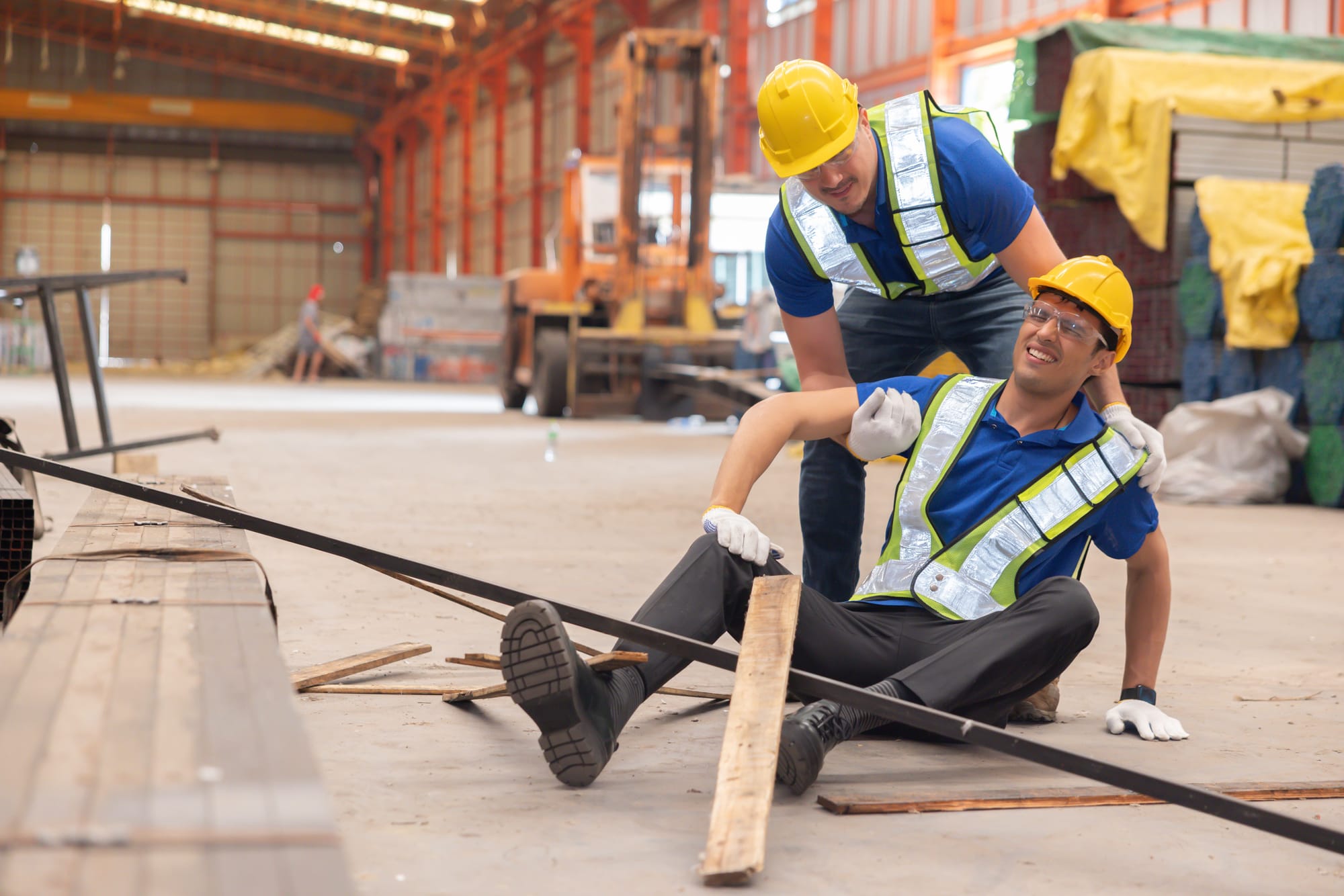
A work accident forces supervisors to make decisions before they have complete information. The first minutes can determine medical outcomes, evidence quality, legal exposure, and the credibility of later reporting. That is why the response needs a sequence, not improvised good intentions.
The goal after a work accident is simple to state and hard to execute: protect people, stop secondary harm, preserve the facts, and trigger the right internal notifications. Panic creates avoidable mistakes. So does rushing back to production before the area is stable. Clear roles matter more than speed alone.
First priority: medical care and scene stabilization
People come before production, evidence, and reporting. Provide first aid within competence limits, call emergency services when needed, isolate the hazard, and prevent additional people from entering the area. If machinery, traffic, pressure, electricity, or chemical release is still active, the first supervisor on scene has to think about secondary exposure immediately.
Scene control should be practical and visible. Use barriers, lockout steps, spotters, and clear access restrictions so the site does not unintentionally disturb the area or create another injury while trying to help. This is especially important in mixed environments where contractors, drivers, or adjacent teams may not understand what has happened.
At the same time, identify who is coordinating. Without one visible coordinator, several well-meaning people may give overlapping instructions, move evidence unnecessarily, or forget a critical call. A clear lead keeps the first phase from turning chaotic.
What supervisors should document in the first hour
Early documentation should focus on facts that are easy to lose. Record names, exact location, time, task underway, equipment involved, weather or lighting conditions, contractor presence, and what changed immediately after the event. Photographs from several angles are often more valuable than a long narrative written after memory has started to blur.
It also helps to capture control status. Was the guard in place, the permit active, the PPE available, the route clear, the alarm working, or the area under maintenance? These details matter because they help later reviewers understand the operating condition rather than reconstructing it from guesswork.
Short witness notes are useful too, but they should stay factual. Ask people what they saw, heard, or did. Avoid coaching, interpretation, or any suggestion that the site has already decided what caused the event. The investigation stage needs clean inputs, not early conclusions.

Internal reporting and legal notification pathways
Every organization should define its internal reporting chain before an event occurs. That usually means immediate notice to management, the safety function, and any other role that must coordinate family communication, insurance, contractor management, or site shutdown decisions. Delay at this stage often creates a second problem: different departments start collecting different versions of the same event.
Legal notification depends on severity, sector, contract structure, and local obligations, so sites should follow their established reporting procedure and get legal or specialist advice where needed. The key point is not to improvise. The responsible people should know in advance which events trigger outside reporting, which documents must be preserved, and who is authorized to speak on behalf of the company.
A work accident becomes harder to manage when the reporting path is fuzzy. Good sites therefore rehearse the communication flow just as carefully as they rehearse emergency response. The paperwork trail begins in the first hour, not several days later.
What not to do after a work accident
Several common mistakes make a difficult event worse. Restarting equipment too early, cleaning the area before documentation, blaming a worker in the opening conversation, or giving witnesses a preferred explanation can all damage the next stage of response. The same is true when a manager focuses on schedule recovery before the area is demonstrably safe.
Another mistake is treating the injured person's return to work as a purely HR issue. Recovery planning, temporary task adjustments, and communication with the team all affect whether the site learns from the event or quietly reinforces fear and rumor. The emotional tone set in the first day often shapes future reporting behavior more than management realizes.
The final warning is simple: do not confuse motion with control. Fast activity can look impressive, but if calls, documentation, stabilization, and authority are not aligned, the organization may move quickly in the wrong direction.
Using the first response to support recovery and investigation
The first response should create a clean bridge into the investigation and recovery phases. Preserve evidence, confirm who owns each follow-up action, record temporary controls, and decide when the area can be released safely. These steps reduce the risk of losing facts or re-exposing people while the organization is still trying to understand what happened.
Managers should also think beyond the scene. Team briefings, contractor updates, family communication, and modified duty arrangements may all be needed depending on the event. Handling those issues respectfully helps the site recover without turning the incident into a wider breakdown of trust.
When companies need a stronger response model, Safety On can help build the procedures, reporting flow, and first-hour discipline that reduce confusion after a work accident and support a better investigation afterward.
How to support people after the immediate response
The human impact of an accident does not end when the ambulance leaves or the area is reopened. Injured workers, witnesses, supervisors, and nearby teams may all need clear communication about what happens next, who will contact them, and how the organization will handle modified duties, medical follow-up, or temporary reassignment. Silence in this period usually breeds rumor and distrust.
Managers should also think about the quality of the next shift. If people arrive to a partially explained scene change or hear conflicting stories from coworkers, they may either underreact to the exposure or become hesitant in ways that disrupt safe execution. A short, factual briefing protects both morale and control quality better than allowing the story to spread informally.
Good support also preserves the timeline for claims, legal review, and investigation. Contact logs, return-to-work decisions, witness availability, and temporary restrictions should be recorded carefully. That discipline helps the organization treat the person fairly while ensuring the event record stays coherent if the case develops over time.
The site should also confirm who controls the evidence hold after the initial emergency is over. That avoids the common mistake of releasing equipment, cleaning areas, or shifting schedules before investigators, insurers, or managers have aligned on the next steps.
Even a short written handover after the first response can prevent confusion. It gives the next manager, investigator, or insurer contact one agreed summary of what happened, what was preserved, and what still must not change at the scene.
FAQ
Should equipment be restarted after a work accident?
Only after the area is safe, the reason for restart is clear, and the organization has preserved the evidence it needs. In many cases, restart should wait until competent review confirms that reactivation will not create a second event.
Who should be notified first after a work accident?
Immediate notification should follow the company's response plan, but it usually starts with the on-site supervisor or manager responsible for stabilizing the area. From there, the safety, management, and reporting chain should activate without delay.
